
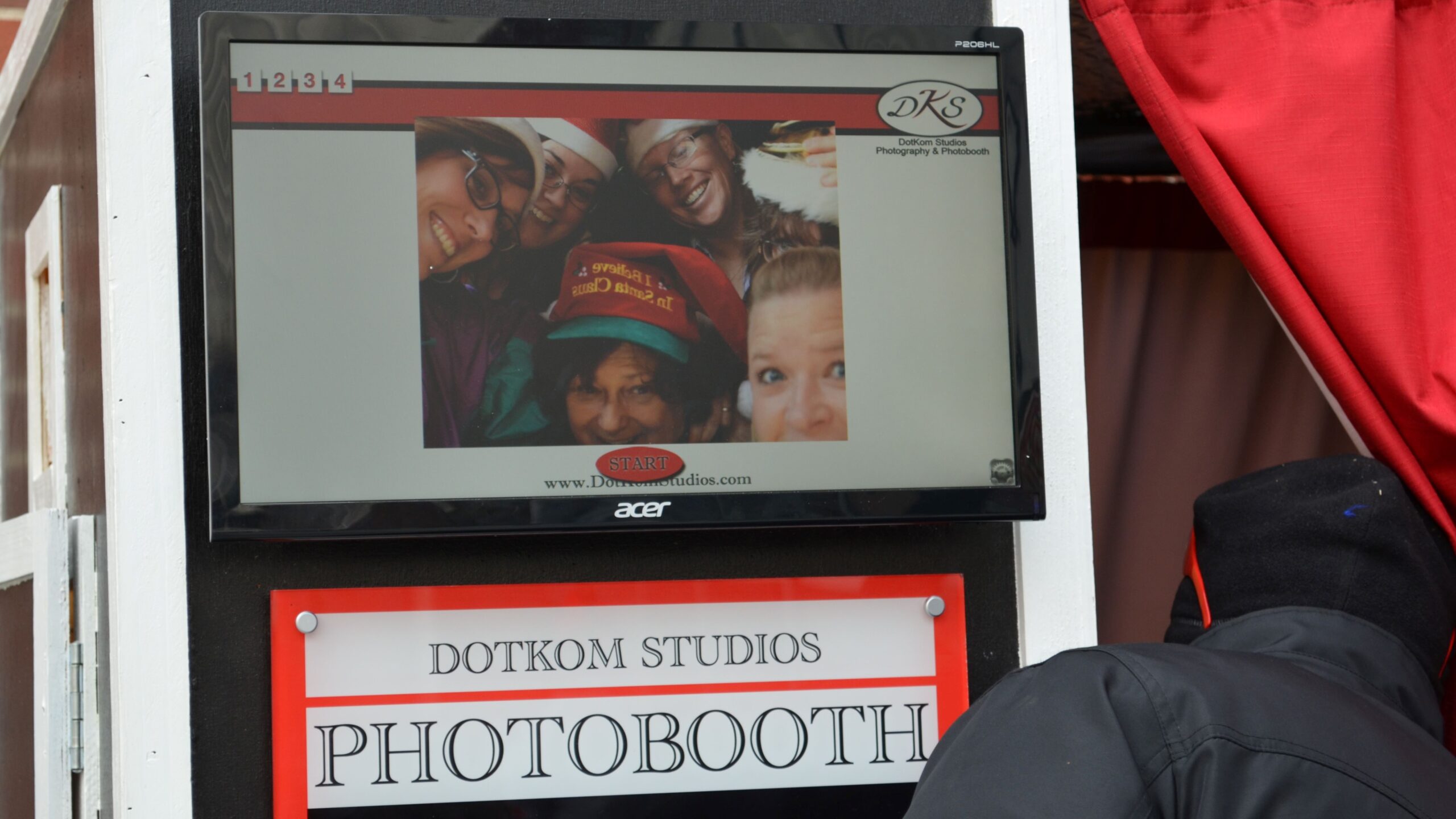
Have you ever tried to use a quick photo booth picture for your visa or passport application, only to have it rejected? You’re definitely not alone! While photo booths might seem like an easy and fast solution, most embassies are pretty strict when it comes to accepting these types of photos. Let’s dive into the reasons behind this and how you can avoid the hassle.
Embassy Photo Requirements
Standard Criteria for Embassy Photos
Embassies, especially those in the United States, set very strict standards for passport and visa photos to ensure identity verification is accurate and reliable. These rules are far from arbitrary—they exist to prevent identity fraud, streamline the application process, and maintain consistency across all submitted images. For example, the U.S. Department of State requires photos to be exactly 2×2 inches, with the head size between 1 inch and 1 3/8 inches from the bottom of the chin to the top of the head. The background must be plain white or off-white with no shadows, patterns, or textures. Additionally, the photo must show the subject facing directly forward with a neutral facial expression, both eyes open, and mouth closed. These standards help officials easily compare the photo with the applicant in person.
Besides size and background, lighting conditions are critical too. Photos need to be evenly lit with no shadows on the face or background. The image must be in color, with natural skin tones, and free from any alterations or filters. These standards apply not only to U.S. embassies but generally to many countries worldwide. Embassies also specify photo paper quality and resolution to ensure the final print is sharp and clear. Any deviation from these strict guidelines could result in the photo being rejected, causing delays in the application process.
Why Photo Quality and Format Matter
Photo quality is one of the most important factors when submitting photos to an embassy. A blurry, grainy, or pixelated image can obscure facial features, making it difficult for immigration officers to accurately identify the applicant. Poor quality photos increase the risk of identity fraud because they don’t provide a clear, reliable visual record of the individual. Therefore, photos must be printed on high-quality photo paper with sharp focus and proper color balance. This requirement helps officials verify identity quickly and securely.
The photo format also matters greatly. The U.S. State Department, for example, specifies exact dimensions for the photo itself, head size, and placement within the frame. If these measurements are off, the photo may not be accepted. Digital submissions require photos to be in JPEG format with specific file size limits and no compression artifacts. Submitting a photo that doesn’t meet these formatting rules can cause automatic rejection by automated processing systems or manual review. Ultimately, adhering to these quality and format standards saves time and prevents frustration during the visa or passport application process.
Common Features of Photo Booth Pictures
Convenience and Accessibility
Photo booths have become a popular choice for many people needing quick photos because they are incredibly convenient and widely accessible. You can find them in high-traffic public places such as:
- Shopping malls
- Airports
- Train and bus stations
- Supermarkets
- Entertainment venues
This widespread availability means you don’t need to schedule an appointment or travel far to get your photo taken. Additionally, photo booths operate on a pay-per-use basis, typically costing just a few dollars, making them an affordable option compared to professional studios. For many people, especially travelers or those needing urgent photos, photo booths provide a fast, on-the-spot solution.
Another factor that adds to their convenience is the simplicity of use. Most photo booths guide users through a step-by-step process, taking multiple shots with short intervals so you can choose your best photo. Many booths are also open 24/7, allowing access outside normal business hours. This combination of affordability, availability, and ease of use makes photo booths an attractive option for quick photo needs.
Typical Characteristics of Photo Booth Photos
Despite their convenience, photo booth photos often have features that cause problems when submitting to embassies or other official institutions. Some of the most common issues include:
- Background: Photo booths often have backgrounds that are not plain white or off-white, as required by most embassy guidelines. Instead, they may use curtains, patterned backdrops, or dull colors, which are unacceptable.
- Lighting: The lighting inside a photo booth is usually basic and uneven. This can cause shadows on the face or background, which embassies reject because they obscure facial features.
- Size and Dimensions: Photo booths generally produce fixed-size photos and do not allow customization of head size or photo dimensions to meet embassy specifications. This lack of flexibility often leads to photos being the wrong size.
- Image Quality: The cameras in photo booths are usually consumer-grade and may produce lower resolution images with less sharpness and clarity compared to professional cameras. This affects the photo’s ability to clearly represent the applicant’s features.
- Posture and Expression: Without professional guidance, users may not maintain the neutral facial expression or correct posture embassies require, such as facing straight ahead with eyes open and mouth closed.
Because of these limitations, photo booth photos frequently fail to meet the strict requirements for embassy submissions, leading to a high rejection rate.
Reasons Embassies Reject Photo Booth Photos
Embassies have strict standards to ensure passport and visa photos clearly identify the applicant without any distortions or distractions. Photo booths, although convenient, often produce photos that fail to meet these criteria. The reasons for rejection typically fall into several categories: lighting issues, background inconsistencies, and facial expression or posture problems. Each of these factors can affect the overall quality and acceptability of your photo when submitting to U.S. embassies or other official institutions.
| Reason for Rejection | Description | Embassy Requirement | Common Photo Booth Issue |
| Lighting Issues and Shadows | Uneven lighting causes shadows on the face or background | Even, shadow-free lighting | Harsh or dim lighting creating shadows |
| Background Inconsistencies | Background must be plain white or off-white | Plain, uniform white or off-white background | Generic or patterned backdrops, curtains |
| Facial Expression and Posture | Neutral expression, direct facing, eyes open, no tilt of head | Neutral face, straight posture | Slight smiles, head tilt, closed eyes |
| Image Resolution and Clarity | Sharp, clear, high-resolution photos | High-resolution, no blur or pixelation | Lower camera quality, blurry or pixelated images |
Lighting Issues and Shadows
One of the most common reasons embassies reject photos from photo booths is poor lighting. Proper lighting is essential because shadows can obscure important facial features or create uneven skin tones that alter the true appearance of the applicant. Embassy guidelines typically require even, shadow-free lighting that shows your face clearly from all angles. When lighting is too harsh, it can create dark patches on one side of your face or cast shadows on the background, both of which are unacceptable.
Photo booths often use standard lighting setups that are not professionally calibrated, resulting in uneven illumination. For example, the small enclosed space and fixed light sources can cause reflections on glasses, shadows under the chin, or hotspots on the forehead. These lighting issues reduce photo quality and raise red flags for embassy officials who rely on clear and accurate photos to verify identity. Without proper lighting, the photo might fail biometric checks or simply be rejected for poor quality.
Background Inconsistencies
Another critical reason for rejection is the background of the photo. U.S. embassies, along with many others worldwide, require a plain white or off-white background to prevent distractions and ensure the applicant’s face is the focal point. A uniform background helps maintain consistency and makes automated facial recognition easier and more reliable.
Photo booths, however, rarely provide backgrounds that meet these strict criteria. Instead, they often use curtains, textured walls, or colored panels that can be off-white or even patterned. Such backgrounds create visual noise or unwanted shadows, both of which are unacceptable in official photos. If the background isn’t uniform, embassies will reject the photo outright because it does not meet their identification standards.
Facial Expression and Posture Problems
Embassies require applicants to maintain a neutral facial expression — no smiles, frowns, or exaggerated expressions. The head must face directly forward, with eyes open and visible, and the posture must be upright without any tilt or slouching. These requirements help ensure the photo can be used for consistent identity verification and biometric scanning.
Photo booths usually do not provide guidance beyond a simple countdown timer, so users might unknowingly submit photos with slight smiles, head tilts, or closed eyes. Unlike professional photographers, photo booths don’t coach you on how to pose or hold your expression. These common issues lead to rejected photos because the image does not conform to official embassy standards.
How Photo Booth Photos Differ from Professional Photos
Equipment Quality and Technology Differences
Professional photo studios use specialized equipment designed specifically for producing passport and visa photos that meet embassy standards. High-quality DSLR or mirrorless cameras capture images at resolutions far superior to those from the fixed, lower-grade cameras in photo booths. In addition, studios use advanced lighting setups with softboxes or diffusers that create even illumination, eliminating shadows and reflections.
Besides equipment, professional studios also have tools to ensure the photo matches embassy specifications exactly. This includes measuring head size and positioning, checking background color, and adjusting brightness or contrast. The result is a crisp, clear image that reflects the applicant’s true appearance without any distortions or flaws that could lead to rejection.
Professional Standards for Passport and Visa Photos
Professional photographers are trained to understand and follow the detailed rules set by embassies. They know the exact requirements for background color, photo size, head placement, facial expression, and posture. Before the photo is printed or sent, they review the image carefully and may take multiple shots to ensure compliance.
These studios often provide guidance during the session, helping applicants maintain a neutral expression, proper posture, and correct head position. The photographers also handle any necessary cropping or editing to ensure the photo fully adheres to embassy specifications without altering the subject’s natural features. This professional oversight drastically reduces the risk of photo rejection compared to unmonitored photo booth pictures.